

What if you could earn $5,000 in a single weekend taking rainbow-colored portraits that help people feel seen and valued?
This year, Summer Ray built an aura photography business. She creates portraits that visualize someone’s energy field—and commands $44 per session.
From somalumin.com, Summer has earned $70,000 in just six months while keeping her full-time job.
If you’ve never heard of aura photography before, that’s totally fine.
But whether you believe in energy fields or not, Summer’s strategic approach to building this business offers valuable lessons for any event-based side hustle.
Tune in to Episode 707 of the Side Hustle Show to learn:
- how strategic partnerships with local businesses created immediate customer flow
- what makes customers willing to pay $44 for a 10-minute experience
- creative ways to turn a weekend into $5,000 in revenue
(Learn more about Soma Lumin Guide program — use promo code HUSTLE for $100 off!)
Free Bonus: 101 Service Business Ideas
Guaranteed inspiration for your next income stream! Enter your email to download the full list now: You'll also receive my best side hustle tips and weekly-ish newsletter. Opt-out anytime.101 Service Business Ideas
Sponsors
- Mint Mobile — Cut your wireless bill to $15 a month!

- Indeed – Start hiring NOW with a $75 sponsored job credit to upgrade your job post!

- Quo (formerly OpenPhone) — Get 20% off of your first 6 months!
- Shopify — Sign up for a $1 per month trial!

How Summer Started Her Aura Photography Business
Summer didn’t need months of expensive certification or a huge upfront investment to get started. She took a simple, smart approach that any service-based business could replicate.
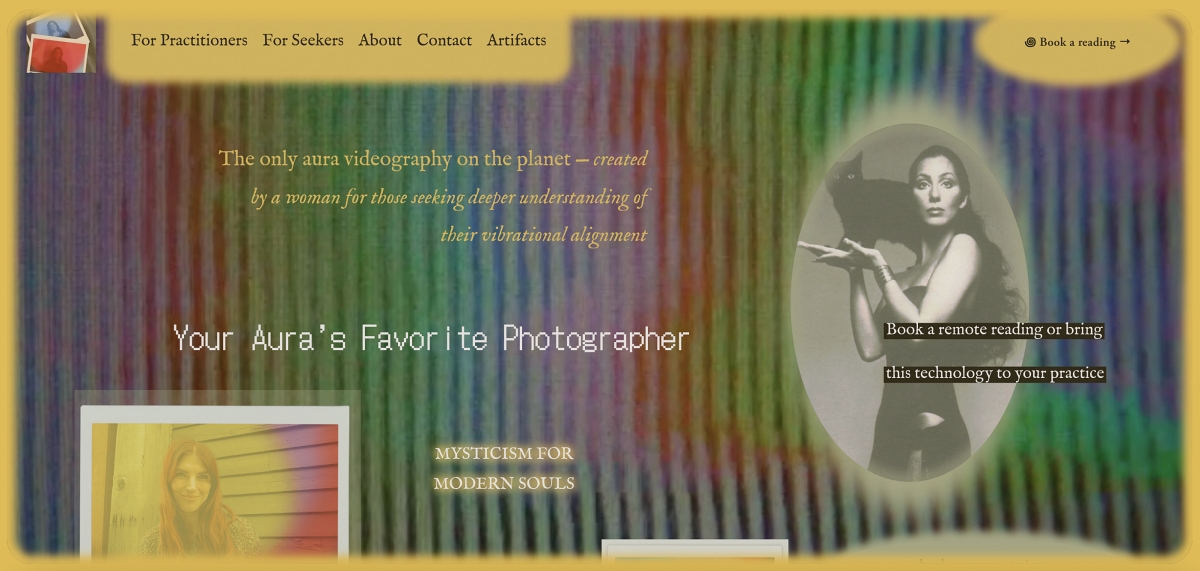
She reached out to local boutiques, retailers, and metaphysical shops offering her services. Some let her set up completely free because they were excited for a new offering on a Saturday. Others charged a flat rate of $50 to $70 for several hours in the store.
The beauty of this model is the math worked from day one. If Summer only took two photos all day at $44 each, she’d already cover the booth fee and start making profit.
For her very first pop-up event, Summer did about 30 photos. The next one brought in around 50 sessions. She was expecting to spend months building social proof and explaining how aura photography worked, but people were immediately curious and willing to pay.
Each session costs Summer only about $1.50 to $2 in materials. She prints the photos on Polaroids that she attaches to postcards printed at Staples. The profit margins are really high, which gave her flexibility to occasionally offer sliding scale pricing for college students or others who needed it.
What Is Aura Photography?
Aura photography has actually been around since the 1960s or ’70s. The concept is based on electromagnetic frequencies that can be captured on camera. Traditional aura cameras cost between $7,000 and $20,000, and nobody has made new ones since the 1990s.
This created two problems for traditional aura photographers. First, the cameras are old school technology that can’t be troubleshot if something breaks. Second, some photographers went out of business when their cameras died and they couldn’t afford to replace them.
Summer saw an opportunity and built her own modern version. She coded custom software in Python that uses biometric readers placed on people’s hands. These readers track the speed of electrical energy moving through the body.
The process creates a 20-second video showing the person’s energetic field in motion. Summer and the customer watch the video together, discuss what the colors and movements mean, then choose one frame where they look great and the colors are vibrant. That frame gets printed as their takeaway Polaroid.
Her differentiator is the video element, which older cameras can’t provide. The whole session takes about 10 minutes, compared to 20-30 minutes with traditional equipment that needs time for Polaroids to develop.
The Real Product: Connection and Experience
Summer learned something important early on: she’s not really selling a photo. She’s selling an experience and how people feel about themselves.
More than half the people who sit for portraits say something negative before their session starts. Things like “You’re gonna see the devil on my shoulder” or “It’s gonna be black” or “I’m gonna break your camera.”
Then Summer shows them a photo of themselves glimmering like a gemstone and tells them how wonderful they are. That shift from negative self-talk to feeling seen and valued is what customers are really buying.
As Summer puts it, “You’re really not selling whatever is in your hand. What you’re selling is the way you make someone feel.”
She draws on lessons from her early days as a Starbucks barista and from the How I Built This podcast episode about SoulCycle. Both businesses understood that creating a transformational moment matters more than the actual product.
SoulCycle trained their receptionists to take notes on anything customers mentioned in passing, then reference it next visit. That personal touch made people feel truly seen.
Summer applies the same philosophy. She focuses on creating genuine connection that takes people out of their busy day and makes them forget they’re at a crowded market. That’s how she closes sales without ever feeling pushy.
Strategic Partnerships That Drove Sales
Summer’s marketing strategy centered on getting in front of large groups of her target customers all at once rather than trying to build a social media following from scratch.
Pop-Ups at Local Boutiques
In her small town, local boutiques host “First Fridays” like art walks downtown. Summer reached out to woman-run clothing shops and set up for free or for a small revenue share (around 10-12%).
One creative partnership involved customers getting their aura photo, then receiving 20% off anything in the store that matched their colors. This drove shopping traffic for the boutique while giving Summer exposure to their customer base.
Her audience split runs about 70% women, so partnering with boutiques that already serve that demographic made perfect sense.
Music Festivals and Events
Summer’s biggest weekend came from a country music festival. The application required a $600 booth fee plus 20% revenue share. She didn’t have $600 upfront, so she asked if they could just deduct it from her earnings.
The organizer said yes.
Over two days (Friday and Saturday), Summer did over 100 sessions each day. She actually ran out of film on day one and had to leave early. After paying all fees, she made about $5,000 that weekend.
Even better, one customer from that festival booked Summer for her upcoming wedding with 300 guests, creating another opportunity to earn a check “with a comma” from a single event.
Building Social Proof for Bigger Events
For larger festivals, organizers want proof you’ll drive revenue. Summer keeps screenshots of her financials from previous events to show what’s possible.
When applying to that first music festival, she shared her Saturday farmers market numbers where she’d done 50 photos. She explained that a music festival would likely have even better conversion than a farmers market, which helped convince them.
Her advice for anyone pursuing an events-based business: start with smaller, lower-cost pop-ups to build your track record, then use that social proof to land bigger opportunities.
Booth Sharing
For more expensive markets, Summer splits booth costs with complementary vendors. Markets typically charge for a 10×10 space and don’t care what happens within it.
She’s partnered with tarot readers for mystical events and watercolor painters for farmers markets. In one creative setup, a painter would recreate customers’ aura portraits using the colors that showed up in their photos.
This strategy makes expensive events accessible while still keeping overhead low.
Collaborations with Color Analysts
At a week-long women’s gathering, Summer teamed up with a color analyst. Customers would get their aura photo with Summer, then visit the analyst who would identify which specific shades of their aura colors looked best on them based on skin tone.
From there, customers could shop the marketplace for clothes in those perfect shades. The collaboration created a natural customer flow that benefited everyone involved.
Low Overhead, High Portability
One huge advantage of Summer’s business model is how portable everything is. Her entire setup fits in a backpack.
Compare that to vendors selling physical products who need to transport inventory, worry about items breaking, and spend significant time on setup and teardown. Summer’s booth takes just 20 to 45 minutes to set up or break down.
She uses lovely textiles that fold up small but create a homey, welcoming atmosphere. She hangs 20-30 sample Polaroids from previous sessions on clothespins to show variety and invite curiosity.
Her latest improvement involves large blown-up photos as backdrops to grab attention from further away, since she noticed people needed to get within 10-20 feet to see the smaller Polaroids and get interested.
Marketing Without Social Media
Summer’s social media presence remains small, which she considers an advantage in the event industry where people overestimate its importance.
Her most effective marketing channels have been:
Local newspaper advertising – She advertises in her small town’s community paper and still gets inquiries months later from people who saw the ad.
Word of mouth – The majority of her business comes from referrals. People who have great experiences naturally tell their friends, and Summer gets booked for private parties, Airbnbs, and wellness facilities.
Event cross-promotion – When she books a pop-up at a boutique or festival, those businesses promote her to their existing audiences through newsletters and social media.
Simple giveaways – She occasionally offers one free session if someone shares with a friend, which helps spread awareness without significant cost.
Summer also explored partnering with complementary service providers like the Humane Society (to photograph adoptable dogs), local dog rescues (charity events), and kid’s birthday parties.
Pricing and Revenue
Summer charges $44 per session as her standard price. While this might sound high for a quick photo, it’s actually much lower than traditional aura photographers who charge $80, $100, or even $180 per session.
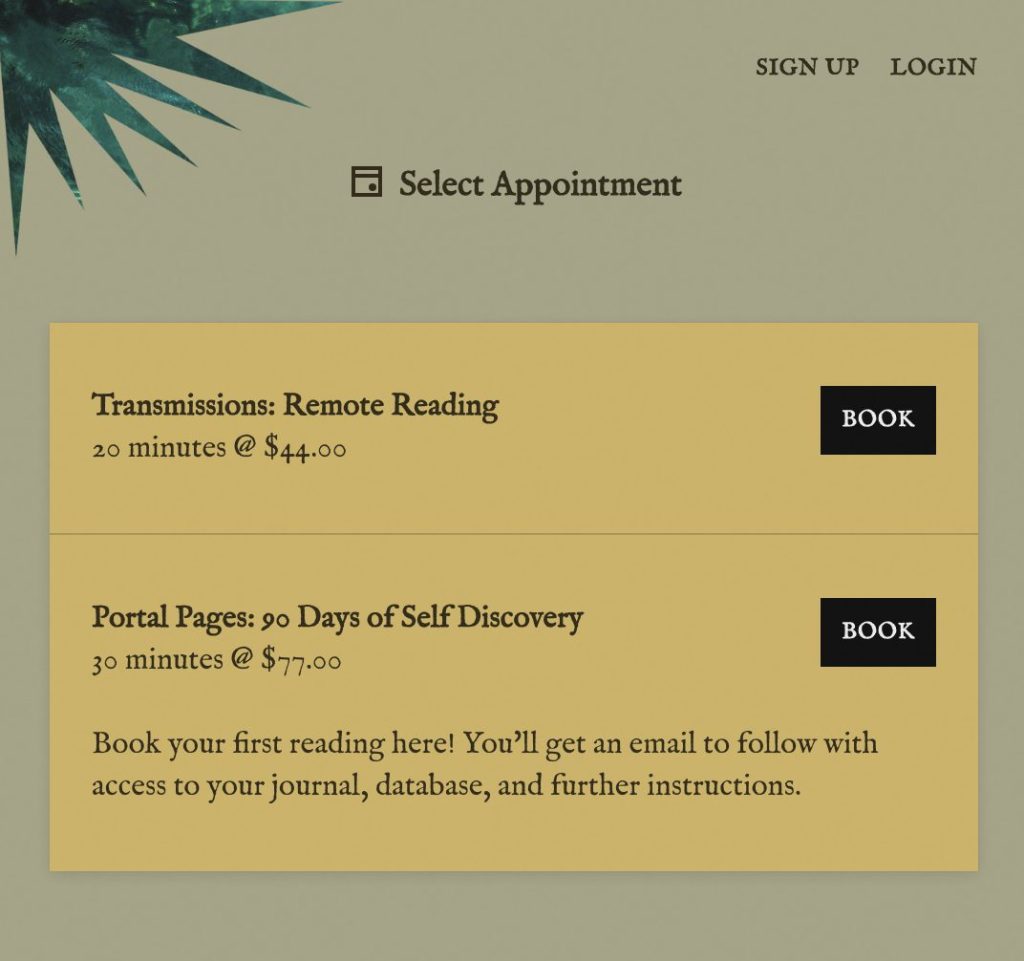
The old equipment requires longer session times and has higher overhead costs, which justifies their premium pricing. Summer’s modern approach keeps the experience quick (about 10 minutes) and the costs low, making it more accessible.
Her average price works out to about $41 after factoring in the occasional sliding scale session at $20 for college students or others who need a discount.
For private parties, Summer has evolved her pricing structure. She now requires:
- Minimum of 15 people
- Full prepayment
- Standard price plus $50 showing up fee
Early on, she undervalued private bookings. Someone once inquired about a group of 12, and Summer offered them a deal at $33 per person. When she received the $150 deposit, she celebrated by ordering DoorDash for the first time in months.
By the time that event happened months later, she had enough organic demand that she realized she’d undercharged. It was a valuable lesson in understanding her worth and not devaluing services just because it seems like “easy money.”
Tools and Technology
Summer keeps her tech stack intentionally simple:
Billing: Started with Square, which offers small business loans that automatically repay through a percentage of future sales. This helped her afford better booth materials when starting out. She now uses Stripe for payment processing.
Communication: Email and social media for customer outreach, plus a Slack channel for licensees.
Software: Custom-coded Python software for the aura photography system itself.
Her first booth backdrop was literally her bedsheet pulled off the bed each morning. She’s since upgraded to dedicated textiles, but the scrappy beginning shows you don’t need perfection to start.
Licensing the Software to Other Practitioners
Summer never planned to license her software, but she kept getting inquiries from people who wanted to bring aura photography to their areas.
After building up infrastructure for licensing, she now charges less than one-tenth the price of old school cameras upfront, plus $149 per month for ongoing access, updates, and support.
This monthly fee covers the tech costs to maintain and improve the software. Licensees get access to a Slack channel where Summer shares her 15 years of event industry experience, including:
- Pricing guides and strategies
- Templates for reaching out to markets and collaborators
- Examples of how to find and pitch venues in new towns
- Event setup and customer service best practices
Some licensees are former customers who experienced aura photography while traveling and wanted to bring it home to Utah, Ohio, Georgia, and other states. Others are bodyworkers and healers who fold it into their existing practices, doing a few sessions daily year-round rather than Summer’s festival-focused approach.
The licensing model created a true side hustle on top of her side hustle, with people coming to her organically rather than requiring aggressive sales outreach.
Remote Sessions Expanding the Business
Summer recently set up the ability to offer remote aura photography sessions from home. These have brought in a few bookings per week from unexpected places.
She’s seen particular interest from the Midwest (especially Ohio), parts of Georgia, and the Great Lakes region. Her theory is that people travel to festivals, get a session with her in person, go home, and tell their friends. Those friends then book remote sessions.
The geographic spread shows that demand for this experience exists nationwide, not just in wellness hubs like Malibu or Austin.
Magical Moments and Surprising Stories
One of Summer’s favorite stories involves her second market pop-up. A woman sat for her portrait, and Summer noticed something unusual.
The color population looked normal over the woman’s face and body, but over her solar plexus (low stomach area), there appeared a ribbon of white. In thousands of practice runs while coding the software, Summer had never seen white populate in that specific way.
She stumbled through explaining that she’d only seen this color in kids and animals, never on adults, and didn’t know what to make of it.
At the end of the session, the customer revealed she was 12 weeks pregnant and not yet showing. The “ribbon” appeared in exactly the baby zone of her body.
The ribbon was also green. At the end of the group session, a man stepped up whose prominent aura color was green. The whole group started laughing when they realized he was her husband, and his “color signature” was showing up over her stomach where their baby was growing.
Summer is both “woo and skeptic at the same time.” Part of her thinks it’s just electricity moving around. But experiences like this make her wonder if something deeper is happening.
She never claims to be clairvoyant. Her joke is “I just work here” when people ask if she has psychic abilities. She’s simply showing people what the camera captures and creating space for them to interpret their own meaning.
Could This Be a Full-Time Income?
After six months and $70,000 in earnings, Summer has proven the business could support her full-time, even in high cost-of-living central Oregon.
She loves her day job though, so she’s not planning to leave in the immediate future. The winter season gives her time to catch her breath, improve backend systems, and automate tasks she was doing manually.
For anyone looking at event-based businesses, Summer’s model shows it’s possible to earn significant income working seasonally. If you can make $5,000 in a weekend and do that just a couple times a month, the numbers start looking really attractive.
Guaranteed inspiration for your next income stream! Enter your email to download the full list now: You'll also receive my best side hustle tips and weekly-ish newsletter. Opt-out anytime.101 Service Business Ideas
Summer’s #1 Tip for Side Hustle Nation
“Start!”
Episode Links
- somalumin.com
- somalumin.com/guide – Use promo code HUSTLE for $100 off the licensing fee
- Square
- Stripe
- Staples
- The Sweaty Startup
- How to Start a Dress Rental Business
- How I Built This – SoulCycle Episode
- Somalumin Instagram
Looking for More Side Hustle Help?
- Start Your Free $500 Challenge. My free 5-day email course shows you how to add $500 to your bottom line.
- Join the free Side Hustle Nation Community. The free Facebook group is the best place to connect with other side hustlers and get your questions answered.
- Download The Side Hustle Show. My free podcast shares how to make extra money with actionable weekly episodes.
The award-winning Side Hustle Show is the #1 side hustle podcast
with over 1,300 5-star ratings!

Listen in your favorite podcast app or directly in your browser.






Thanks for the feature, Nick! I’ve listened to so many episodes of your podcast over the years. So grateful to connect with your audience and community. We are all out there finding ways to make our magic work in the world, whether it’s Marketplace flips, portaits, or typewriter poetry!
So grateful for this journey!